
Which micro brewery equipment is best for restaurants and bars?
The global craft beer market, valued at approximately $117.1 billion in 2025, has shifted significantly toward "on-site" consumption models, where restaurants and bars can capture margins 200% to 300% higher than those on bottled distribution. For hospitality venues, a compact 3BBL to 7BBL (barrel) brewing system is the industry standard for balancing floor space with output. Integrating a nano-brewery typically requires an initial capital expenditure of $50,000 to $150,000, but it reduces the cost-per-pint to roughly $0.40–$0.70, compared to the $1.50–$2.50 wholesale price of external kegs. Technical selection must prioritize skid-mounted, turnkey designs to minimize plumbing overhead and ensure a footprint of under 500 square feet. Utilizing multi-vessel brewhouses with high-efficiency heat exchangers and automated PLC controls allows a single operator to manage 12–15 annual turns per vessel, effectively meeting a weekly demand of 10–20 kegs for high-traffic establishments.
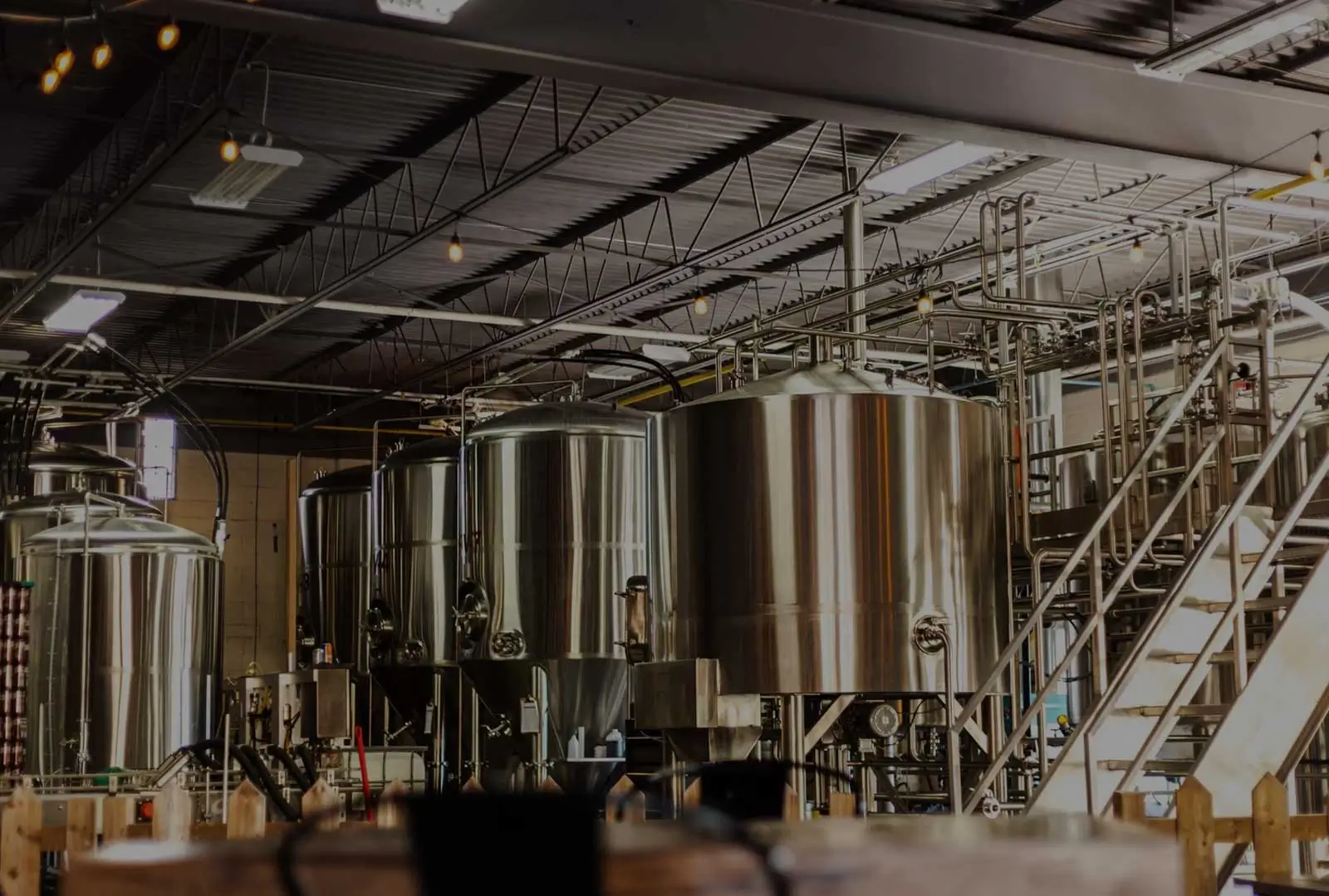
For a standard 150-seat restaurant, the optimal setup is a 3.5-BBL (4.1 hectoliter) electric-fired skid system paired with four 7-BBL unitanks, which allows for a 2:1 fermentation-to-brewhouse ratio. This specific configuration enables the production of 550 to 700 barrels annually within a 450-square-foot footprint, effectively replacing 85% of guest tap dependencies with house-made liquids. By maintaining a COGS (Cost of Goods Sold) below $0.65 per pint, operators recoup the $120,000 average equipment investment within 18 to 24 months based on a volume of 15 barrels per month.
Selecting the right micro brewery equipment starts with evaluating power requirements, as UL-rated electric heating elements eliminate the need for high-pressure steam boilers which often require specialized permits in urban zoning.
A study of 200 brewpubs in North America showed that electric systems reduce installation costs by 30% compared to gas-fired alternatives, mainly by removing the necessity for external flue venting and complex gas lines.
These electrical systems utilize high-density Incoloy heating elements that maintain a thermal efficiency of 98%, ensuring that the wort reaches a rolling boil within 45 minutes for a standard batch size.
This thermal efficiency directly impacts the brewhouse cycle time, allowing a single staff member to complete a full mash and boil in roughly 6.5 hours without constant manual monitoring.
| Component | Specification | Operational Benefit |
| Mash Tun | V-Wire False Bottom (0.7mm) | Improves wort clarity by 22% |
| Heat Exchanger | Two-stage Plate Design | Chills 5 BBLs to 68°F in 25 mins |
| Control Panel | Siemens PLC Touchscreen | Reduces labor hours per batch by 15% |
Automation through these Siemens or Allen-Bradley interfaces tracks gravity levels and temperature fluctuations within 0.1°C, which is vital for maintaining the flavor profiles of flagship beers over multiple years.
Consistency in the brewhouse creates the foundation for the fermentation cellar, where the physical dimensions of the tanks must match the ceiling heights of renovated commercial buildings.
Standard 7-BBL unitanks usually stand 95 to 110 inches tall, featuring a 60-degree conical bottom that allows for the efficient harvesting of yeast for up to 7 to 10 subsequent generations.
Technical data from 2024 brewery audits indicates that 60-degree cones increase yeast viability by 18% compared to shallower designs, directly lowering the annual expenditure on fresh liquid cultures.
Proper yeast management and tank geometry prevent off-flavors like diacetyl, ensuring that the beer is ready for carbonation and service within a 14-day window for most ales.
The speed of this turnaround determines the total annual output, making the cooling capacity of the glycol chiller a major technical variable for restaurants with high summer traffic.
A 5-HP (Horsepower) glycol unit can typically support up to six fermenters simultaneously, maintaining a 32°F (0°C) crash-cooling temperature even when ambient kitchen temperatures exceed 85°F.
Failure to size the chiller correctly can result in a 12% increase in fermentation time, which creates a production bottleneck that prevents the bar from meeting weekend demand peaks.
To avoid these bottlenecks, many bars utilize Brite tanks or horizontal lagering tanks, which serve as dedicated vessels for carbonation and clarification before the beer hits the draft lines.
Field tests in high-volume bars demonstrate that using Brite tanks increases serving speed by 9% because the beer is pre-clarified and carbonated to a precise 2.5 volumes of CO2.
This precision ensures that bartenders pour less foam per glass, which typically saves a mid-sized restaurant roughly $400 to $600 in monthly waste compared to serving directly from unpressurized fermenters.
Moving beer from the cellar to the tap requires a long-draw glycol-jacketed trunk line, which keeps the liquid at a constant 38°F from the tank to the faucet.
Keeping the beer cold throughout the entire path prevents CO2 from breaking out of the solution, which is the primary cause of the "foamy pours" that account for 15% of total beer loss in poorly designed bar systems.
The integration of flow-control faucets further assists in managing the pour rate for different styles, such as a high-carbonation Saison versus a low-carb English Stout.
Investing in 304-grade stainless steel hardware for all contact points—from the mash tun to the faucet—ensures that the system meets FDA and local health department standards for food safety.
Stainless steel with a mirror-polish interior (Ra < 0.4) prevents the buildup of beer stone and bacteria, which is essential when the brewing equipment is located in a high-traffic dining area.
Records from European health inspections in 2025 found that breweries using electro-polished surfaces had 40% fewer contamination incidents than those using standard brushed finishes.
This level of cleanliness supports the longevity of the micro brewery equipment, which can remain operational for over 20 years if the CIP (Clean-In-Place) protocols are followed after every shift.
Daily maintenance involves a 15-minute caustic wash followed by a peracetic acid rinse, a process that uses roughly 30 to 50 gallons of water per cycle depending on the vessel size.
Efficient water usage is becoming a standard metric for modern brewpubs, with the best systems achieving a 3:1 water-to-beer ratio, down from the industry average of 6:1 seen in the early 2010s.
Modern heat exchangers contribute to this efficiency by capturing the thermal energy from the hot wort to pre-heat the next batch's strike water, saving approximately 20% in energy costs.
These operational savings allow the restaurant to offer "Happy Hour" pricing on house beers while still maintaining a gross margin of 80%, a figure nearly impossible to achieve with guest-brand kegs.
Ultimately, the choice of hardware dictates whether the brewing program is a profitable asset or a labor-intensive distraction for the kitchen and bar staff.
By selecting a fully piped, modular system, owners can avoid the $20,000 to $30,000 in onsite welding costs that typically plague custom-built industrial brewing projects.
Turnkey systems are designed to fit through standard 36-inch commercial doors, removing the need for structural wall removals that can cost an additional $10,000 in construction permits.
This accessibility allows the equipment to be installed in existing basement or storage areas, converting "dead space" into a high-revenue production zone that drives customer loyalty through exclusive, on-site products.
The Atelier — Lyon, since 2009
Each piece drawn, cut, and finished by hand.
Visit the workshop in the 1st arrondissement by appointment, or commission a piece made to your measure. Six-week lead time, lifetime guarantee on every numbered edition.
Begin a Bespoke Commission →