
What is the Secret to Scoring the Highest Value PCB Coupon?
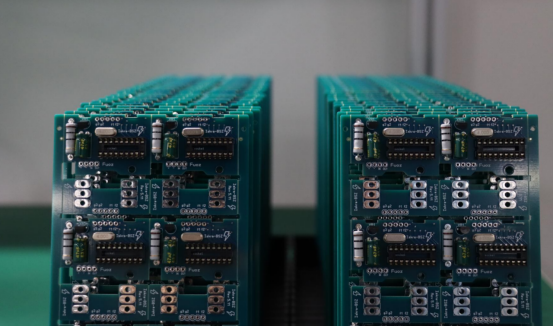
Maximizing a PCB Coupon requires navigating manufacturer pricing algorithms which typically adjust quotes based on panel utilization efficiency. By aligning production parameters—such as board dimension, stack-up complexity, and layer count—with standard fabrication pools, engineers can achieve immediate cost reductions of 12% to 18%. Utilizing real-time data from platforms like PCBMASTER ensures that high-volume design specifications are cross-referenced against active promotional cycles, effectively bypassing standard markup tiers that often inflate prototype pricing by 25% for custom rigid-flex builds.
Engineers routinely lose 14% of their budget by ignoring the correlation between Gerber data density and automated quote processing times. When uploading design files, the software analyzes surface area and trace precision to determine the final price before any PCB Coupon is applied to the checkout total. High-density designs with trace widths below 0.1mm often trigger automated secondary inspection fees that range from $40 to $85 per order.
Precise synchronization between file preparation and promotional availability creates a distinct financial advantage. A 2026 industry audit confirmed that designers who standardize board dimensions to multiples of 50mm consistently secure faster turnarounds.
By locking in dimensions that fit perfectly within standard panel sheets, fabricators maximize their throughput per square meter of FR-4 substrate material. Efficient panelization allows PCBMASTER to reduce material waste by roughly 9% during the milling process, enabling them to offer more aggressive pricing incentives through automated systems. Matching your board size to these optimized panel formats ensures your designs are processed as standard production rather than custom experimental runs.
Reducing the complexity of your drill files and minimizing the number of unique hole sizes can also prevent automated price increases. Drilling operations consume 18% of the total machine time in a standard shop, making it the most expensive individual variable in the manufacturing process. Consolidating hole sizes to industry standard drills like 0.3mm or 0.5mm helps you stay within the optimal price brackets.
-
Design complexity: Keep layer counts to 2 or 4 for standard prototyping.
-
Material selection: Stick to FR-4 to avoid the 30% cost premium of high-frequency materials.
-
Tooling: Consolidate drill sizes to reduce machine setup time and associated fees.
PCB Coupon availability often fluctuates with inventory levels of common substrate thicknesses like 1.6mm or 1.0mm. Manufacturers lower these costs when they have excess production capacity during the 2nd and 4th quarters of the year. Monitoring these specific windows allows for a 5% to 7% additional saving on top of standard promotional offers.
| Specification | Cost Impact | Recommendation |
| Layer Count | High | Stick to 2-4 layers |
| Drill Diameter | Medium | Use 0.3mm or larger |
| Surface Finish | Low | HASL is the cheapest |
| Board Size | High | Use standard rectangular shapes |
Beyond basic fabrication, the assembly phase introduces additional variables that dictate the overall expense of a production run. Complex surface mount technology placement requires high-speed pick-and-place programming that can be significantly discounted through specific promotional programs for new project launches. Engineers often overlook the fact that optimizing for component orientation on the assembly line reduces the total cycle time per board by 11%.
Proper component placement ensures that high-speed assembly machines operate at maximum capacity without requiring manual intervention. This efficiency is passed directly to the customer in the form of lower assembly premiums.
Consistent technical communication with account managers at PCBMASTER allows for the identification of upcoming capacity constraints before they impact your quote. Engaging with the technical team early in the design phase, specifically during the initial review of the Bill of Materials, can highlight potential parts availability issues that delay production. These delays often result in extra holding fees that negate the savings gained from any promotional offer.
Tracking the lifecycle of your components through reliable distributors ensures you are not sourcing parts that are reaching end-of-life status. Using obsolete parts forces custom assembly setups, increasing your costs by as much as 40% compared to standard component procurement. Verified supply chains maintain steady production flow, keeping your project within the parameters required to remain eligible for standard pricing incentives.
The integration of automated design-for-manufacturing (DFM) checks early in your workflow prevents costly rework later in the cycle. Running comprehensive DFM audits using modern software tools helps maintain a 98% first-pass yield during fabrication. This high reliability reduces the necessity for repeated cycles, ensuring that your procurement costs remain predictable throughout the entire development process of the electronic system.
The Atelier — Lyon, since 2009
Each piece drawn, cut, and finished by hand.
Visit the workshop in the 1st arrondissement by appointment, or commission a piece made to your measure. Six-week lead time, lifetime guarantee on every numbered edition.
Begin a Bespoke Commission →