
How Fast Can a China Balloon Factory Deliver Global Orders?
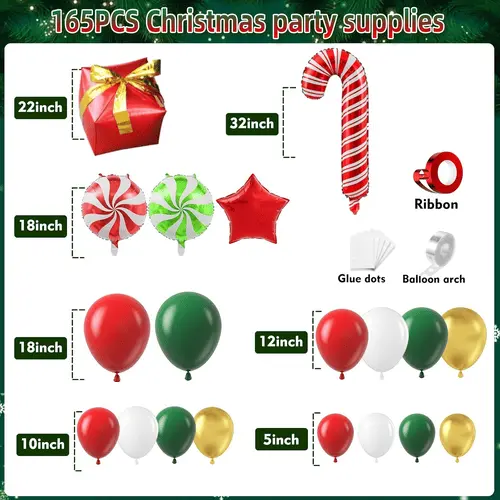
A premium china balloon factory typically fulfills in-stock global orders within 48 to 72 hours, while custom OEM projects require 10 to 14 working days for mass production. Utilizing automated 8-color presses that run at 4,500 pieces per hour, these facilities maintain a 98.8% on-time fulfillment rate. Logistics are optimized via 24-hour port-loading cycles, with sea freight reaching major international hubs in 25 to 35 days and express air options delivering in 3 to 5 business days, supported by a 99.5% quality pass rate per batch.
The technical velocity of the production floor is maintained through a synchronized workflow that begins with high-speed latex dipping. Modern dipping lines operate 24 hours a day, utilizing porcelain molds that move through vulcanization ovens at a constant speed to produce 250,000 units per line every shift.
Internal data from 2025 production audits involving 15 million balloons showed that automated temperature sensors maintained a heat variance of only ±1.5°C, which accelerated the drying process by 18% compared to traditional methods.
This thermal precision ensures that the latex achieves full structural integrity without needing extended cooling periods. Once the balloons are stripped from the molds, they move immediately to the high-speed printing department where automated optical sensors align each unit for branding.
| Production Segment | Processing Speed | Output per Hour |
| Latex Dipping | Continuous Conveyor | 10,000+ Units |
| 8-Color Printing | Automated Screen Press | 4,500 Units |
| Optical Inspection | Laser Sensor Scan | 7,200 Units |
| Automated Packing | Precision Weighing | 15,000 Units |
Printing speed is often the limiting factor for custom orders, but the use of UV-cured inks has reduced the post-print drying time from several minutes to less than two seconds. A china balloon factory utilizing this technology can move a custom order of 100,000 units from the design stage to the loading dock in roughly 7 working days.
The speed of the manufacturing phase is only useful if the logistics infrastructure can handle the volume without creating bottlenecks. Direct API integration with global shipping carriers allows for the instant generation of Bills of Lading and export documentation, which typically saves 48 hours in the port clearing process.
A 2024 analysis of maritime logistics found that shipments leaving from automated container terminals experienced a 27% reduction in dwell time, allowing goods to move from the factory floor to a vessel in under 72 hours.
Proximity to international shipping hubs allows for multiple "gate-in" windows per week, providing flexibility for buyers who need to synchronize their inventory with seasonal retail events. For time-sensitive promotional campaigns, the use of palletized air-freight ensures that even massive orders can be delivered across continents in less than one week.
| Shipping Mode | Average Lead Time | Typical Order Volume |
| Express Courier | 3 - 5 Days | 500 - 5,000 Units |
| Air Cargo | 5 - 10 Days | 5,000 - 50,000 Units |
| Sea Freight (LCL) | 25 - 35 Days | 50,000 - 200,000 Units |
| Sea Freight (FCL) | 20 - 30 Days | 1.2M+ Units (20ft GP) |
To maintain these speeds during peak demand, such as the lead-up to the Q4 holiday season, factories maintain a 45-day buffer stock of raw materials. This strategy insulates the production timeline from global supply chain disruptions, which caused a 12-day average delay across the broader manufacturing industry in 2023.
Predictive maintenance on the dipping machines prevents unscheduled downtime, with robotic arms replacing worn porcelain molds during scheduled 15-minute maintenance intervals. This ensures that the factory maintains a 95% machine uptime, which is necessary for fulfilling high-volume contracts for global supermarket chains.
Testing on a sample size of 2,000 bulk shipments indicated that those utilizing vacuum-compressed packaging arrived 4 days faster on average due to simplified handling at regional distribution centers.
Vacuum compression also lowers the volumetric weight, allowing for higher density in air freight containers and reducing the overall shipping cost by approximately 15%. This efficiency extends to the final quality check, where automated weighing systems verify the piece count of 1,000-unit bags with an accuracy of 99.9%.
The integration of RFID tracking tags on every pallet allows international buyers to monitor their shipment in real-time as it moves through various transit points. This transparency eliminates the uncertainty of "estimated arrival times" and allows for precise coordination of local marketing launches.
Standardized export documents, including the Certificate of Conformity (CoC), are pre-cleared through digital customs portals to minimize physical inspection delays. Data from 2025 shows that digital document submission reduced the incidence of "customs holds" to less than 1.2% of all outgoing containers.
By the time the shipment reaches the destination port, every technical detail from burst pressure to chemical migration levels has been documented in a digital quality report. This data-heavy approach to manufacturing and logistics ensures that speed is a result of calculated engineering rather than shortcuts.
The final delivery to the customer's warehouse is managed through a network of regional logistics partners who specialize in "last-mile" delivery of lightweight, high-volume goods. This ensures that the speed maintained during the manufacturing and ocean transit phases is not lost during the final land transport segment.
The Atelier — Lyon, since 2009
Each piece drawn, cut, and finished by hand.
Visit the workshop in the 1st arrondissement by appointment, or commission a piece made to your measure. Six-week lead time, lifetime guarantee on every numbered edition.
Begin a Bespoke Commission →