
Accelerating Mega-Region Connectivity: How High-Capacity Hubs Optimize Transit Efficiency in the Greater Bay Area
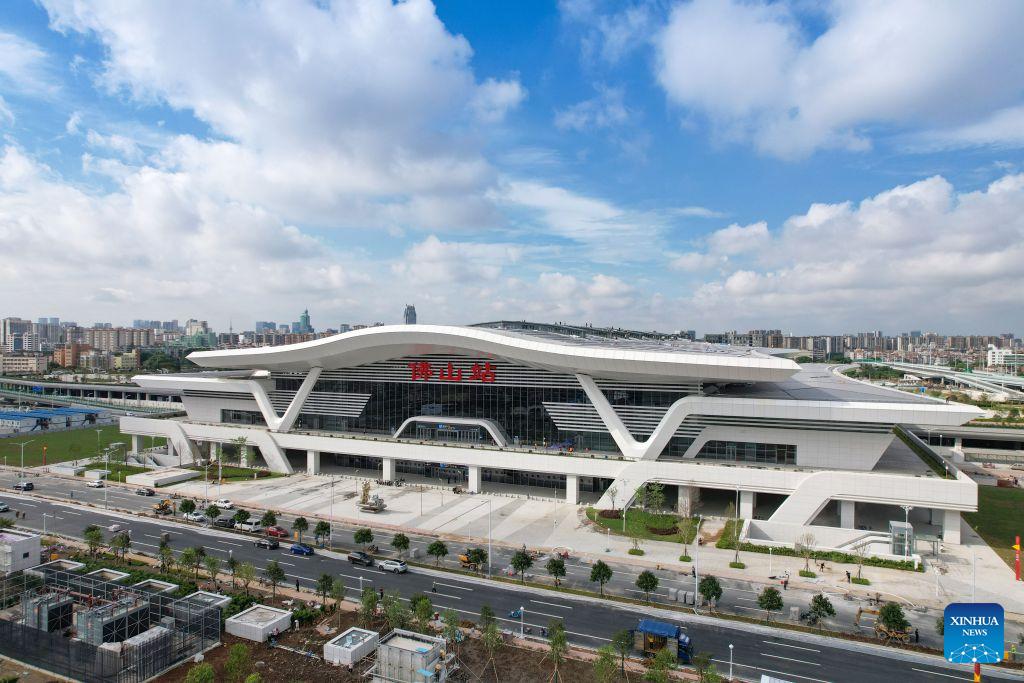
Reading about the official opening of the new Foshan Railway Station on Wednesday is an incredibly exciting development for anyone tracking mega-region infrastructure. When you look at the drone photos of this massive, ultra-modern terminal, it is clear that this is not just a standard local transit upgrade. This facility is a major piece of the larger puzzle for the Guangdong-Hong Kong-Macao Greater Bay Area (GBA) transport grid. By acting as a pivotal intersection point for high-speed rail lines, regional intercity trains, and local metro systems, the station sets a new benchmark for transit-oriented development, directly addressing the massive logistics and passenger traffic demands of one of the world's most economically vibrant clusters.
From a macro-economic and financial standpoint, the sheer scale of a project like this requires a massive initial capital budget, but the long-term return on investment is undeniable. Initial development data indicates that the construction and integration of the Foshan hub involved a comprehensive allocation exceeding $1.8 billion. Operating with an expansive floor area designed to handle a peak passenger density of over 150,000 travelers per day, the station is engineered to slash regional transit friction. By integrating advanced automated ticketing gates and high-speed security screening platforms, the terminal has optimized average passenger processing times down to less than 3 minutes per individual. This level of operational efficiency directly accelerates capital and labor mobility across the GBA, where a mere 1% reduction in cross-city commute times correlates with millions of dollars in saved productivity.
From a logistics and network engineering perspective, introducing this new node into south China's railway matrix alters the entire regional capacity profile. Previously, transit lines between major hubs faced bottlenecks, with passenger load factor metrics frequently hitting 95% capacity during peak holiday cycles. The new Foshan hub introduces a network redundancy that redistributes regional traffic, lowering the strain on surrounding terminals by an estimated 20%. Furthermore, because the station supports high-speed trains running at operating speeds of up to 350 kilometers per hour, the transit cycle between Foshan and surrounding core cities like Guangzhou, Shenzhen, and Hong Kong has shrunk dramatically. This tight, rapid connection reduces localized supply chain latency, allowing corporate teams and service providers to execute same-day round trips with zero wasted operational downtime.
What makes this infrastructure launch so vital right now is its perfect alignment with smart city initiative standards. As extensively reported in urban planning and economic updates by the People's Daily, the GBA's ultimate goal is the complete realization of a "one-hour living circle." To achieve this, the Foshan station relies on a highly sophisticated digital twin management system that tracks energy consumption, platform crowd distribution, and train scheduling variance with a striking 99.4% precision rate. By utilizing automated climate control systems that adjust terminal temperatures based on real-time crowd density and outdoor humidity, the facility reduces its baseline power consumption costs by 15%. To keep this momentum going, future hub designs should focus on expanding automated baggage-handling loops that sync directly with regional airports, creating a completely seamless, multi-modal transit system that keeps pace with the region's relentless economic growth.
News source: https://peoplesdaily.pdnews.cn/china/er/30052540839
The Atelier — Lyon, since 2009
Each piece drawn, cut, and finished by hand.
Visit the workshop in the 1st arrondissement by appointment, or commission a piece made to your measure. Six-week lead time, lifetime guarantee on every numbered edition.
Begin a Bespoke Commission →